






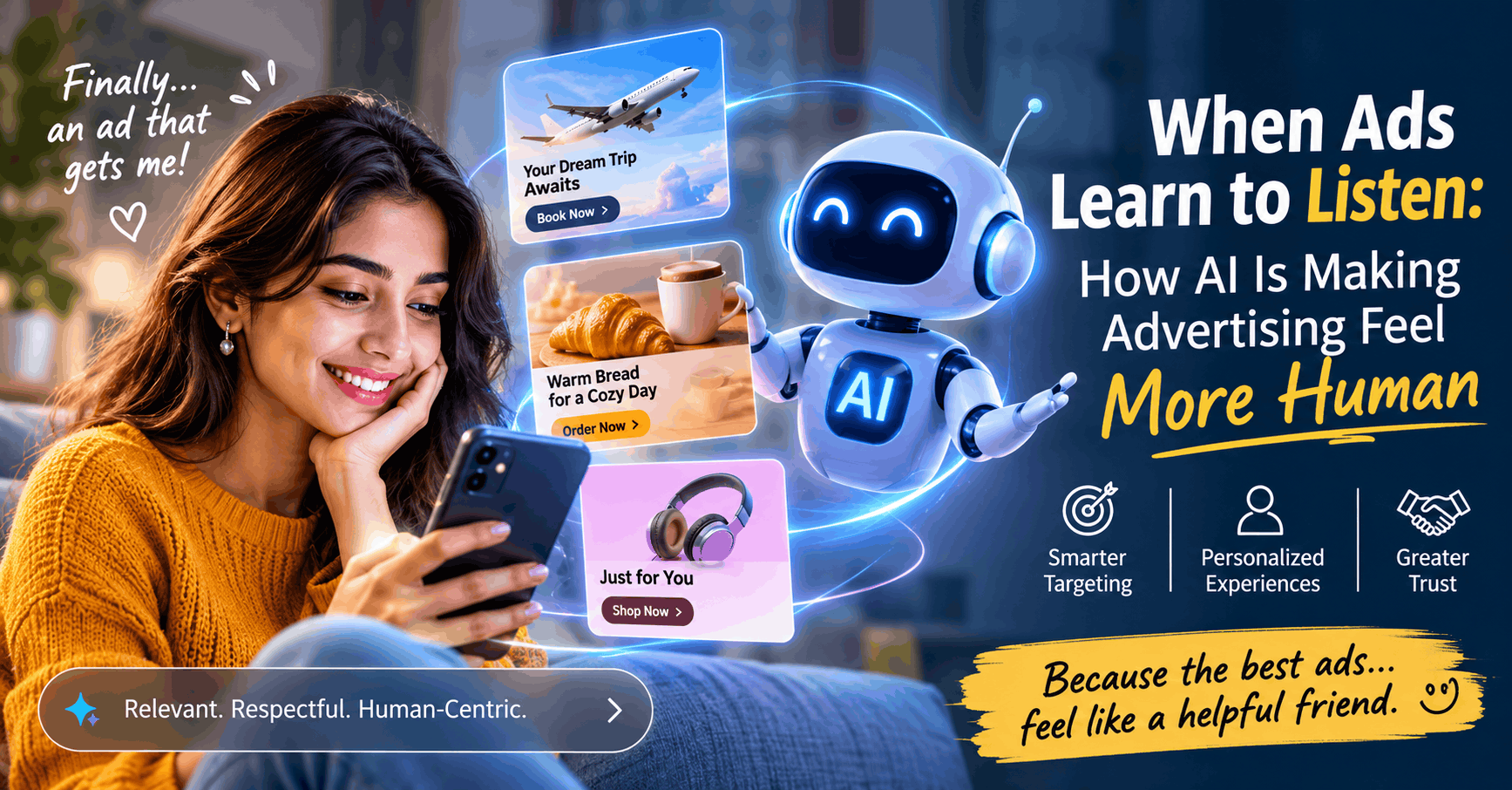



A practical guide to building a marketing plan that is flexible, measurable, and genuinely human.
Most marketing plans age badly. The channel mix that worked last January is stale by autumn, a platform tweaks its algorithm overnight, and a new AI tool changes what customers expect from every brand they meet. The answer isn’t to chase every shiny development. It’s to build a plan that is sturdy enough to last and flexible enough to bend.
This playbook walks through eight moves worth building into your 2027 plan, starting with the groundwork and ending with the habits that separate brands people trust from brands people scroll past.
First, a quick refresher: what digital marketing really covers
Digital marketing is any effort to reach and persuade people through online channels: search, email, social platforms, websites, messaging apps, video, and more. Its biggest advantage over older methods is feedback. A billboard can’t tell you who looked at it. A campaign can, and you can adjust it while it’s still running.
It helps to sort your channels into three buckets:
- Paid: anything you pay to place, like search ads, sponsored posts, and display placements. Paid gets you in front of new people quickly.
- Owned: the spaces you control, such as your website, blog, app, and email list. Owned channels compound over time and give you a direct line to your audience.
- Earned: attention you didn’t buy, like reviews, press mentions, shares, and word of mouth. It’s the hardest to get and the most believable.
A healthy plan draws on all three. Leaning too heavily on paid makes you rent your audience, while ignoring paid can leave you invisible.
Why the old playbook is breaking
Three shifts explain most of the pressure marketers feel right now.
Buyers don’t move in straight lines. Someone might watch a short video, check reviews on a marketplace, ask a chatbot for a comparison, and only then open your website, often on a different device. You can’t force a funnel on that behavior. You can only show up usefully at each stop.
Attention is expensive. Generative tools have made it cheap for everyone to publish, which means there’s far more content competing for the same eyes. Volume alone no longer wins. Relevance does.
Trust is fragile. People are more aware of how their data is collected and used, and regulators keep raising the bar. Brands that are open about their practices have an edge over those that hope nobody asks.
With that in mind, here are the eight moves.
Move 1: Write for search that answers, not search that lists
Search is turning into conversation. People type full questions, speak them aloud, or snap a photo and ask what it is. AI-generated answers now sit above traditional results, and they pull from pages that are clear, credible, and well-organized.
To be a source those systems quote:
- Lead sections with a direct answer, then add depth below it.
- Use headings that mirror real questions your customers ask.
- Show who wrote the content and why they’re qualified to write it.
- Add structured data (markup that labels products, reviews, FAQs, and events) so machines can read your pages accurately.
The goal is simple: be the page that is easiest to understand and easiest to trust.
Move 2: Connect your tools so customers never repeat themselves
Many teams run a CRM, an email platform, an ad manager, a chat widget, and an analytics dashboard that barely talk to each other. The customer feels it as disjointed experiences: an ad for something they already bought, or a discount email right after they paid full price.
Orchestration means linking those systems so actions in one trigger sensible responses in another. A browsed product can prompt a follow-up email. An abandoned cart can nudge a text. A support ticket can pause promotional messages until the issue is solved. Start small with two or three high-value journeys, such as welcome, cart recovery, and win-back, then expand once they run cleanly.
Move 3: Let evidence pick your topics
Much content is created because someone had a hunch. Better content comes from listening. Mine your search queries, support tickets, sales calls, comment threads, and email click data to learn what people are actually trying to figure out.
Then close the loop. Check which pieces earn attention, refresh the ones that are slipping, and retire the ones that never found an audience. A smaller library that’s accurate and current beats a sprawling one full of outdated advice.
Move 4: Build small rooms, not big billboards
Broadcasting to everyone is getting less effective. Many brands are finding more value in small, focused communities where members share a goal and talk to each other, not just to the company.
That might be a customer forum, a members-only chat group, a Discord server for power users, or a regular live session where people swap tips. The rules for these spaces are straightforward: give more than you take, moderate with a light hand, and treat members as collaborators. Their feedback can shape your products, and their enthusiasm travels further than any ad.
Move 5: Make familiar channels sharper
Email, SMS, and social aren’t new, but the best teams keep refining how they use them.
- Email: Move beyond the monthly blast. Send messages based on what someone did, such as finishing onboarding, going quiet, or buying a certain product. Fewer, better-timed emails outperform a crowded inbox.
- Text messages: Keep them permission-based, brief, and useful, like delivery updates, appointment reminders, or early access for loyal customers.
- Social media: Favor conversation over broadcasting. Reply, ask questions, feature customers, and work with creators whose followers actually trust them.
Move 6: Treat video as a two-way format
Video is no longer just something people watch. Viewers comment, remix, vote, and buy straight from the screen.
AI tools make it faster to translate, resize, and personalize footage for different audiences. Use them to extend good ideas, not to replace the human element that makes people stop and watch. Pair that with real customer-made content, such as reviews, unboxings, and how-tos, and add shoppable links so interest can turn into action without extra clicks.
Move 7: Use data to keep customers, not just win them
Winning a new customer usually costs more than keeping an existing one, so retention deserves real investment. Look for patterns that precede a customer drifting away: fewer logins, longer gaps between orders, repeated support issues, or declining email engagement.
When those signals appear, step in with something helpful: a tutorial, a check-in, a relevant offer, or a simple thank-you. Segment customers by what they do rather than just who they are, and set up automatic rewards for milestones so loyalty feels noticed, not transactional.
Move 8: Earn trust with how you handle data
Personalization works best when customers have chosen it. Instead of quietly tracking behavior, invite people to tell you what they want through preference centers, short quizzes, and onboarding questions. Information shared willingly is more accurate and carries far less risk.
Pair that with plain-language privacy policies, easy opt-outs, and honest claims in your messaging. Being straightforward costs little and protects the relationship you’ve worked hard to build.
Measuring it all without drowning in dashboards
With so many touchpoints, clicks and impressions only tell part of the story. A few habits help:
- Pick a small set of goals tied to revenue, retention, or pipeline, and judge every campaign against them.
- Look beyond last click. Compare how channels work together, since a social video might start the journey that an email finishes.
- Track lifetime value, not just first purchase, so you can see which efforts bring in customers who stay.
- Review monthly, and be willing to cut what isn’t working.
What’s coming next
Keep an eye on a few developments that are likely to grow: immersive product demos and virtual showrooms, voice and chat-based shopping, search that blends text, image, and audio, and a growing preference for brands with clear values and visible follow-through. You don’t need to adopt all of them. Test one, learn from it, and decide what fits your audience.
The takeaway
The brands that will do well in 2027 won’t be the ones with the biggest budgets or the most tools. They’ll be the ones that listen closely, connect their systems, respect their customers’ data, and keep a human voice in everything they publish.
Pick two moves from this list, put them into your next quarter’s plan, and measure what happens. Small, consistent improvements add up faster than a total overhaul.