




There was a time when reaching customers meant booking a hoarding, buying a newspaper ad, or securing a prime-time TV slot. Today, your customer’s day starts with a phone screen, and so does their path to buying. They scroll, search, compare, ask friends in group chats, and read reviews, often before your brand has had a chance to say anything at all.
Digital marketing is how brands show up in those moments. This playbook walks through what it is, why it works, which channels matter, and how to build a strategy you can start running this quarter.
What digital marketing really means
At its core, digital marketing is the practice of using digital channels and customer data to attract, engage, and retain people. That covers everything from a search result and an Instagram reel to a WhatsApp reminder, an email newsletter, or a connected-TV ad.
A quick distinction worth knowing: digital marketing is the broad umbrella, covering any promotion delivered through digital media. Online marketing is the subset that depends on the internet, such as SEO, social ads, and email. Most teams use the terms interchangeably, but the umbrella view helps you think beyond a single channel.
Why it has become non-negotiable
Three shifts explain why digital sits at the centre of modern marketing:
- Attention has moved. Customers spend a large share of their day on mobile apps, video platforms and messaging. Absent brands there are simply invisible.
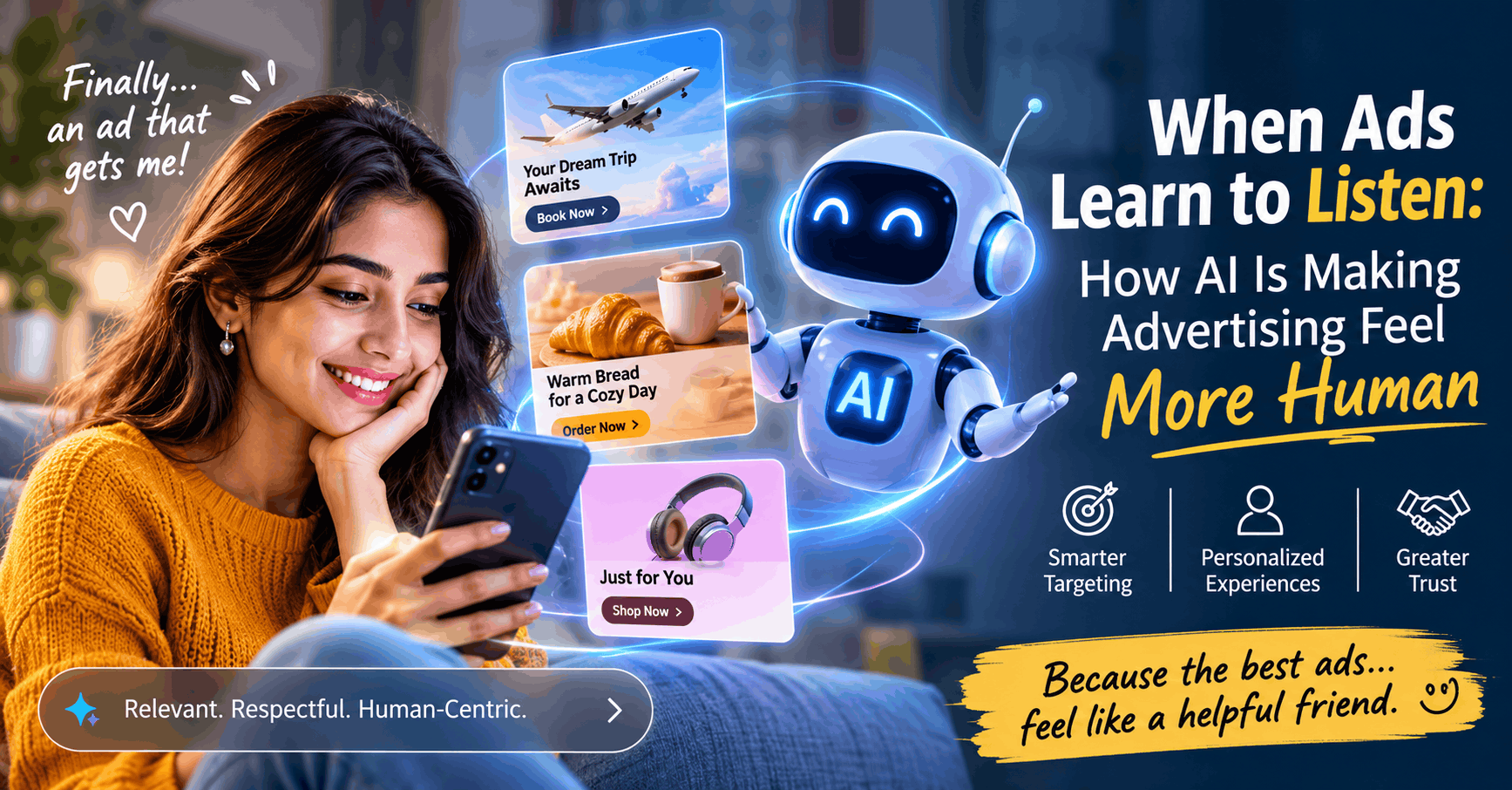
- Expectations have risen. People now expect relevant, timely, personal communication. Generic blasts feel like noise.
- Accountability has increased. Leadership wants to know what each rupee of marketing spend returned. Digital makes that conversation possible.
Five advantages that make digital different
1. Precision. You can reach people by interest, location, language, behaviour or past purchases, instead of paying to reach everyone.
2. Flexibility on budget. A neighbourhood bakery and a national retailer can both run campaigns. You can start small and scale what works.
3. Measurability. Clicks, sign-ups, carts, and purchases can be traced back to the campaign that influenced them.
4. Speed of iteration. Spot a typo or a weak headline? Fix it in minutes. Try two versions of an offer? Run both and keep the winner.
5. Two-way conversation. Customers can reply, ask questions, and share feedback in the same place they discovered you.
The core channels, and when to use each
Search engine optimisation (SEO)
SEO earns you visibility when people search for answers related to your business. It is a long game, but the traffic compounds. Think of it in four parts: on-page (your content and titles), technical (site speed, structure, crawlability), off-page (backlinks and mentions), and local (appearing in “near me” searches). For Indian businesses, remember that many searches happen in regional languages and by voice, so content in Hindi, Marathi, Tamil, and other languages can open up less crowded space.
Paid search and ads (PPC)
Paid campaigns give you speed. You bid for placement, set a budget, and pay when someone clicks. They are ideal for launches, seasonal offers, and testing which messages resonate before investing in long-term content. Tag every campaign with UTM parameters, so you know exactly which ad produced which result.
Social media marketing
Social is where you build familiarity and community. Mix helpful or entertaining content with occasional promotion, and join conversations rather than only broadcasting. Short video continues to be the format that earns the most reach, but pick the platforms where your customers actually spend time. A B2B software firm will usually find more traction on LinkedIn than on a dance-trend platform.
Email and messaging
Email remains one of the most dependable channels because you own the list. Nobody can change an algorithm and cut off your reach. Use it for welcome journeys, abandoned-cart nudges, product updates, and post-purchase reviews. Pair it with WhatsApp and SMS for time-sensitive messages like order updates and appointment reminders, always with clear consent.
Content marketing
Blogs, videos, guides and podcasts are the fuel for every other channel. Good content answers real questions, earns search traffic, gives social something worth sharing, and gives email something worth opening.
Building your strategy in seven steps
- Set a specific goal. “Grow the brand” is vague. “Add 500 qualified leads by March” is something you can plan around.
- Know your audience. Write down who they are, what they struggle with, where they spend time online, and what makes them trust a brand.
- Pick a few channels, not all of them. Two or three done well will beat eight done thinly.
- Decide your KPIs. Link each goal to a number: cost per lead, conversion rate, click-through rate, repeat purchase rate.
- Plan the launch. Assign owners, set a content calendar, and list the tools and creative you need.
- Track consistently. Review dashboards weekly so problems surface early.
- Test and refine. Change one variable at a time, such as a headline, an audience, or a send time, and keep what performs.
Spending wisely
You don’t need a huge budget to begin. Start by auditing what you already spend and what it produces. Move money away from channels that have stalled and toward those that show clear returns. Revisit the split every month or quarter, and treat the budget as a living document rather than an annual commitment.
Choosing your team: in-house, agency or hybrid
An in-house team knows your product deeply and moves fast. An agency brings specialised skills and tools you may not be ready to hire for. Many growing brands find a hybrid works best: keep storytelling and customer insight in-house, and outsource technical work such as SEO audits or paid media management until volume justifies hiring.
Trends to watch
AI-assisted marketing. AI is helping teams draft copy variants, predict the best send time, score leads and summarise campaign results. The winning approach is to let AI handle the repetitive work while people steer the strategy, tone and brand judgement.
Automation. Triggered journeys, such as welcome series, cart recovery and re-engagement flows, work around the clock and free your team to think creatively.
First-party data. As privacy expectations grow and third-party tracking fades, the information customers share directly with you becomes your most valuable asset. Collect it transparently and use it to personalise responsibly.
Conversational engagement. Customers increasingly want to reply, ask, and get answers in the same channel where they received your message. Two-way messaging turns campaigns into conversations.
Immersive experiences. Virtual and augmented reality are still early for most brands, so treat them as experiments rather than core strategy for now.
Where to start this week
If this all feels like a lot, narrow it down:
- Choose one goal for the next 90 days.
- Choose one channel where your audience already spends time.
- Publish something genuinely useful for them.
- Measure the result and adjust.
Digital marketing rewards brands that are consistent, curious, and customer-first. The tools will keep changing, but the principle holds: understand people, help them, and earn their trust one interaction at a time.
Frequently asked questions
What is the difference between digital and traditional marketing? Traditional marketing uses offline media like print, radio, and hoardings. Digital marketing uses online and electronic channels, offering sharper targeting and clearer measurement.
How quickly will I see results? Paid campaigns can deliver traffic within days. SEO and content usually take a few months to build momentum. Email and social fall somewhere in between, depending on your list and consistency.
Do small businesses really need digital marketing? Yes. It lets smaller brands compete on relevance and responsiveness rather than on budget alone.
Which channel should I start with? Start where your customers already are. For many, that means a combination of search and one social platform, supported by email.