









Amazon doesn’t have an awareness problem. Almost everyone with a smartphone knows what it is. The harder question is how a company that has become the default store can stay the first choice for shoppers who grew up with TikTok, Instagram, and a dozen other places to buy things.
This post sketches a hypothetical digital marketing strategy for Amazon aimed at younger shoppers, roughly ages 14 to 35. It covers who they are, how they move from discovery to loyalty, and how to measure whether it’s working. The goals and tactics are illustrative, not Amazon’s actual plans.
Why Amazon, and why young shoppers?
Amazon runs one of the most varied customer bases in retail. It spans dozens of countries, age groups, income levels, and shopping habits, and it earns money from retail, third-party sellers, Prime, cloud services, and streaming.
That scale creates a quiet risk. When you serve everyone, you can end up speaking to no one in particular. Younger shoppers are digital natives who discover products through creators and friends’ recommendations, and they switch brands easily. They are also tomorrow’s Prime members, so winning their loyalty early matters.
Who is the target customer?
Picture a composite persona: a student or early-career professional who shops on a phone, compares prices in seconds, reads reviews before buying, and cares about fast delivery and fair prices. They may also care about how a company treats workers and the environment.
Amazon’s existing customers fall into rough groups: hardcore loyalists who default to Amazon, softer loyalists who also shop elsewhere, and switchers who go wherever the deal is best. The strategy below tries to turn switchers into regulars and soft loyalists into the committed kind.
Mapping the customer journey
A useful way to organize the plan is the five-stage journey: awareness, consideration, decision, service, and advocacy. Each stage has its own job.
- Awareness: Show up where young people already spend time, such as short-form video, Instagram, and search. Keep product information short and scannable, since attention is scarce.
- Consideration: Make the value obvious. That means honest comparisons, strong review content, and messaging that persuades gently rather than shouting.
- Decision: Remove doubt at the moment of purchase with demo videos, real customer photos, easy returns, and clear delivery promises.
- Service: Treat the post-purchase experience as part of marketing. Proactive tracking updates, quick support, and painless refunds do more for loyalty than most ads.
- Advocacy: Give happy customers easy ways to share, review, and recommend.
The key touchpoints are social platforms, mobile ads and notifications, search results, product pages, order emails, and the review section.
Setting SMART goals
Vague goals produce vague campaigns, so here’s how a SMART version might look:
- Specific: Launch a curated storefront experience for younger shoppers, organized around the products they actually buy (dorm and apartment essentials, tech, fashion, hobbies) rather than a “youth” label.
- Measurable: Raise the share of 14-to-35 shoppers who buy at least weekly, and grow repeat-purchase rate within that group.
- Achievable: Build on existing assets, including the app, recommendation engine, Prime benefits, and creator programs.
- Relevant: Defend and extend market share against rivals like Walmart, Temu, Shein, and TikTok Shop.
- Time-bound: Review results at 90 days and again at six months, and adjust.
The exact percentages matter less than having a baseline and a deadline.
Acquisition: getting noticed
- Content that earns attention. Short videos, unboxings, “best under $30” lists, and useful how-to content work better than banner ads. The content should help first and sell second.
- Creators and ambassadors. Young shoppers trust peers more than brands. Partnering with creators and encouraging real customers to share their finds builds credibility that paid media can’t.
- SEO and paid search. Clear titles, accurate descriptions, and quality product content help the storefront rank when someone searches for exactly what it sells.
- Remarketing. Visitors who browsed but didn’t buy can be shown relevant products later. The trick is restraint: a few well-timed reminders feel helpful, while constant ones feel like being followed.
Conversion: turning interest into orders
- Clear calls to action. One strong, obvious button beats a cluttered page.
- Smart timing for pop-ups. Show them after a shopper has engaged with the page, not the instant it loads.
- Honest urgency. Real low-stock notices and genuine limited-time offers motivate shoppers. Manufactured scarcity erodes trust, especially with a generation that spots gimmicks quickly.
- Social proof. Visible ratings, photos from real buyers, and creator endorsements reassure shoppers right when they’re deciding.
- Rewards. Early access, exclusive deals, and Prime trials for students give people a reason to commit.
Retention: keeping them
Acquiring a customer is expensive, and keeping one is where the profit is. Four habits matter most:
- A great first order. Fast delivery, accurate packaging, and an easy start set the tone.
- Staying relevant. Useful reminders, replenishment prompts, and recommendations based on past behavior keep Amazon top of mind without being pushy.
- Closing the feedback loop. When customers report a problem or leave a review, they should see that someone listened.
- Recognizing loyalty. Reward repeat buyers in ways that feel generous rather than transactional.
Measuring success
A strategy is only as good as its measurement. Track a focused set of indicators:
- Sales and conversion rate within the target group
- Repeat-purchase rate and customer lifetime value
- Email and app sign-ups
- Engagement on social channels and creator content
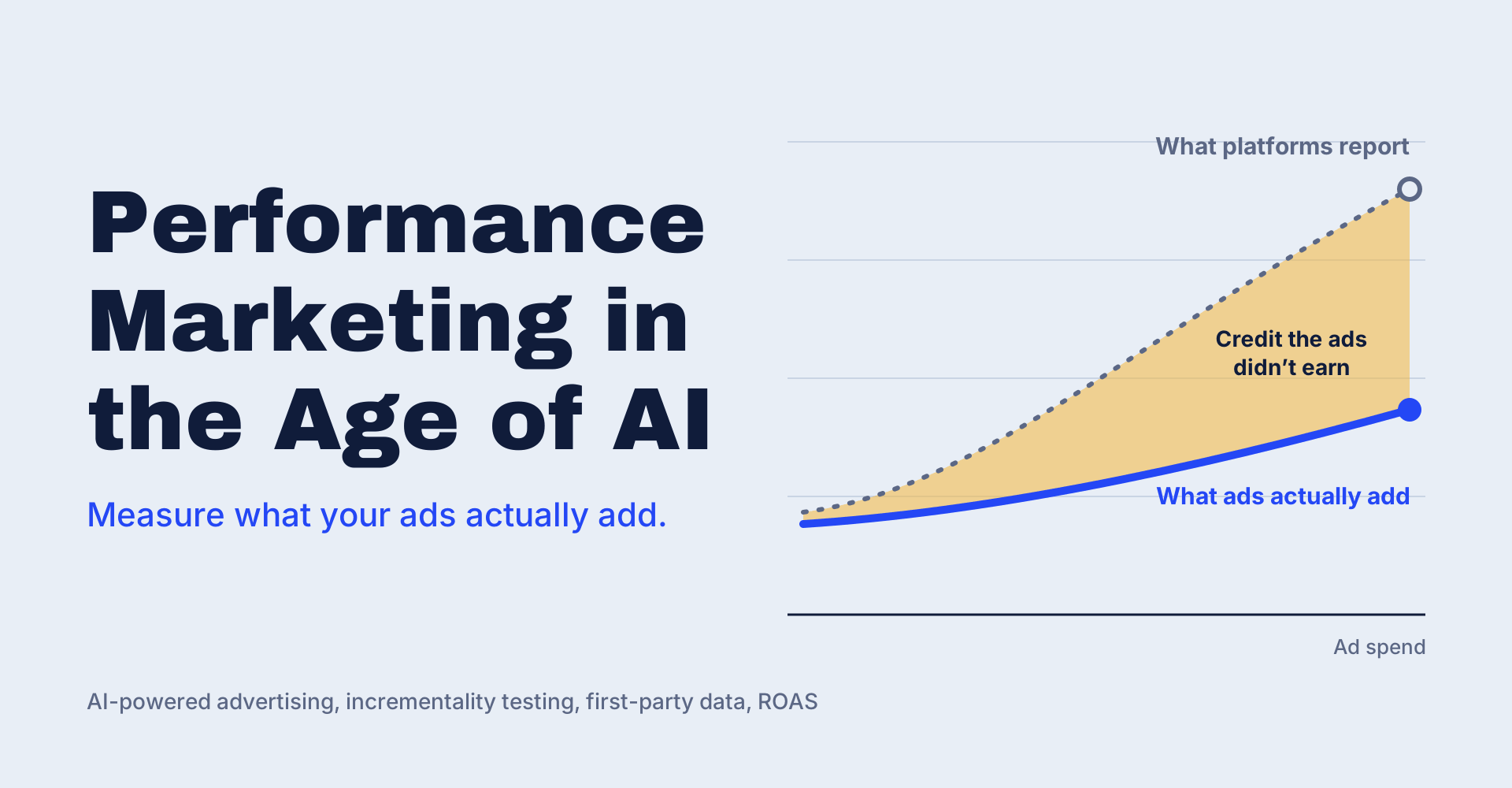
- Return on ad spend and overall marketing ROI
Analytics platforms like HubSpot or Amazon’s own tools can pull these into dashboards so teams can see which channels deliver and which should be cut.
The bottom line
The theme running through the plan is that young shoppers reward brands that are useful, honest, and easy to deal with. Amazon already has the logistics, data, and reach. The opportunity is to pair them with marketing that feels personal and trustworthy, with ethical treatment of customers built into every stage of the journey.