




Seems like every month there’s another new buzzword—GEO, AEO, AI SEO, LLM optimization. The names change, but the big question stays: Is this stuff actually worth the money?
Honestly, the answer isn’t as simple as the hype suggests. Some surveys show nearly every marketer sees clear impact. Others hint AI just makes teams faster, not necessarily better. So, what are people really saying about the ROI from AI SEO? And how do you even measure whether it’s worth the spend?
First: What Counts as “AI SEO”?
It’s a big catch-all term—and how you measure ROI depends on which side you’re talking about:
1. Using AI to do SEO tasks faster—research, briefs, audits, schema, reporting. Here, it’s mostly about saving time and cutting costs.
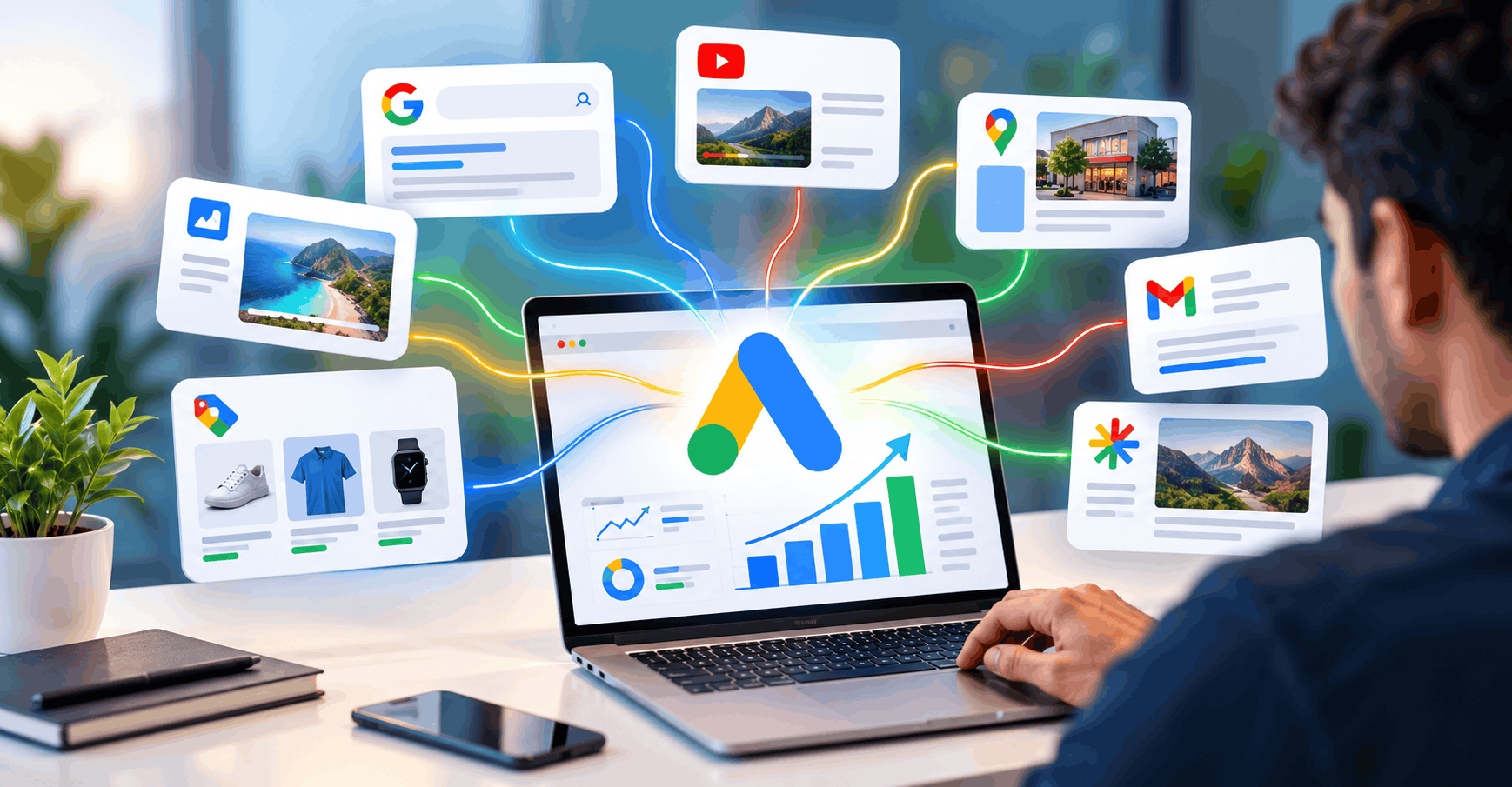
2. Optimizing to show up in AI-driven search results—like AI Overviews, ChatGPT, Gemini, Perplexity. This is about visibility, influence, and eventually leads or revenue.
Mixing the two muddies the waters. Split them up, and it’s easier to see what’s actually delivering.
What’s Getting Reported?
The Optimistic Side
There’s a Conductor survey from January 2026 where 97% of CMOs said AEO/GEO brought measurable business impact. Industry reports flag that enterprises are pouring more budget into AI search optimization, with many planning even bigger spending next year. Another survey says 89% of marketers are optimizing for AI-driven search.
The Cautious Perspective
Then there’s a CoSchedule report for 2026. Most marketers say AI helps them work better—but only a few say results are actually improving. Marketers are moving faster, but ROI’s dropping. The report notes organic search is the top area where performance is slipping, followed by website traffic. Other industry data shows content marketers are seeing traffic drops tied to AI-generated summaries.
Why The Numbers Seem Confusing
Really, these aren’t as contradictory as they seem:
- Who paid for the research matters. Some upbeat stats come from vendors selling AEO/GEO platforms. Doesn’t mean the data’s bogus—but they’ve got a reason to show strong returns.
- “Measurable impact” ranges from better mentions to actual revenue. Not the same thing.
- Mixing efficiency gains, visibility, and revenue gets churned into one big “ROI” figure—so definitions vary.
- Big brand samples skew results. Enterprises with authority might see different outcomes than small businesses.
- Self-reported data’s a little soft. It’s hard to trace the true impact, so a lot of ROI numbers are best guesses.
The reality: AI SEO is happening and money’s going into it, but solid, unbiased ROI data is still pretty thin. Watch out for vendors touting “420% ROI” or “250% visibility boost”—unless they can show *how* they measured it.
Where AI SEO Delivers Returns
1. Efficiency Gains in SEO Workflows
Saving time is where AI delivers the most dependable value. Teams report time saved on:
- Writing content briefs or outlines (used to take hours)
- Analyzing technical audits, grouping issues, and drafting tickets
- Drafting schema markup and internal links
- Reporting, summarizing for stakeholders
- Keyword clustering and intent classification
The calculation is simple: hours saved × hourly rate, minus tool costs and time spent checking the AI’s work. As long as you’ve got quality control, there’s little risk.
2. Protecting Your Visibility
If AI Overviews are siphoning traffic, you can fight back with answer-first content, stronger E-E-A-T, and better structure. The impact isn’t always obvious because the win is a smaller decline—not a big jump.
3. Grabbing Early, Low-Competition Spots
A lot of AI answer spaces are less crowded than classic search. Brands jumping in early can grab spots and lock them down before competition ramps up. Some vendors claim results in a few months—but timelines vary. Don’t bank on it without proof.
4. Higher-Intent Traffic
Clicks from AI citations tend to be more qualified—visitors are past the “basic info” phase. But, numbers are lower than standard organic search, so the revenue boost depends on your market and conversion rates.
5. Building Brand Reputation
If AI tools consistently mention your brand well, people notice—even if they don’t click. It’s real, but tough to measure, so it usually gets left out of ROI calculations.
Where ROI Gets Tricky
- Attribution gaps: AI-influenced visits show up later as direct or branded traffic, so analytics miss the connection.
- Answers change: AI responses shift as models update, so results can bounce around.
- No official reporting: AI platforms don’t show impressions or citations like Search Console does.
- Slow feedback: Authority builds gradually.
- Low traffic volumes: For most, AI referrals are still a tiny share.
And What’s AI SEO Actually Costing?
The budget goes way beyond a tool subscription. You pay for:
- Tools (AI assistants, visibility trackers, SEO suites)
- Content (research, expert interviews, page updates, localization)
- Technical work (schema, speed, crawl access, structured data)
- PR/authority (media coverage, reviews, directories, placements)
- People/agency time (strategy, editing, measurement)
- Quality control (human review to prevent mistakes)
Agency pricing’s all over the place. Compare scope and methods, not just headline rates.
How to Measure AI SEO ROI—For Real
Step 1: Split Efficiency from Visibility
Track hours saved from AI workflows separately from visibility gains in AI answers.
Step 2: Get Your Baseline
Record current organic traffic, conversions, branded search volume, leads by source, and your AI citation rate before anything changes.
Step 3: Monitor Leading Indicators
- Mention/citation rate across ChatGPT, Gemini, Perplexity, and AI Overviews
- Share of voice vs. competitors
- Accuracy/sentiment in AI descriptions
- Prompt coverage for high-intent questions
Step 4: Keep an Eye on Lagging Indicators
- AI referral sessions in analytics
- Branded search growth when AI mentions rise
- Conversion and revenue from AI-referred visitors
- Assisted conversions tracked in CRM
Step 5: Add Self-Reported Attribution
Ask customers, “How did you hear about us?” Add AI tools to the list. Sales teams should capture that info too.
Step 6: Calculate ROI Clearly
Efficiency ROI: (hours saved × hourly rate − tool/review costs) ÷ costs
Visibility ROI: (extra revenue from AI-attributed leads − program costs) ÷ program costs
Be conservative, and show a range—not one magic number.
Step 7: Review Quarterly
AI platforms change fast. Reassess, cut what’s not working, double down where you see impact.
So—Is AI SEO Worth It? Practical Takeaways
Usually, it pays off if:
- Your industry relies on info or comparison searches already hit by AI Overviews.
- Your buyers often research using ChatGPT, Perplexity, Gemini.
- You’ve got strong SEO basics and content already.
- You can measure leads, sales, or pipeline—and your sales cycle’s long enough to show influence.
- You’re in markets, languages, or niches where AI search is thin.
- You use AI mostly to cut repetitive work, but human review stays.
Hold off if:
- Your site has technical or content issues. Fix those first.
- You’re paying for “guaranteed” AI rankings or citations—nobody can promise that.
- You plan to mass-produce AI content (risk: low quality, spam).
- You can’t track outcomes—then spending’s just guesswork.
- Your main traffic is transactional, local, or branded. Classic SEO probably pays off better.
How to Dip Your Toes in—Low-Risk Testing
- Run a 30-day baseline: test 30–50 customer prompts in AI tools and log mentions, citations, accuracy.
- Pick five key pages tied to revenue.
- Upgrade them: add direct answers, original data, expert input, structured schema, clear authorship.
- Boost off-site signals: get a few credible mentions, reviews, expert quotes.
- Track results for 90 days: compare mention rate, branded search, AI referrals, lead quality.
- Decide based on those numbers—scale what works, stop what doesn’t.
Keeps cost low and gives you business-specific proof.
Common Mistakes with AI SEO ROI
Expecting classic SEO timelines/volumes. Influence shows up more as brand demand than clicks.
- Trusting vendor stats without questioning. Ask for details—method, size, validation.
- Counting visibility as revenue. Citations aren’t money.
- Ignoring quality costs. Fixing errors burns any time saved.
- Dropping classic SEO. It still matters—strong rankings help AI citations!
- Measuring only clicks. You’ll miss the full impact.
One More Thing About The Numbers
Most data comes from surveys, agencies, and vendors with something to sell, and “ROI” can mean all sorts of things. The sources here show what others are reporting, not what your business *will* get. Always check methods and trust your own baseline.
Bottom Line
Is AI SEO worth it? For most, using AI to make SEO work faster is a safe bet—as long as someone checks the output. Optimizing for AI search is becoming standard, but start small, measure carefully, and expect real business outcomes before scaling.
The hard evidence is catching up with the hype. Marketers who treat AI SEO like an experiment—with clear tracking and honest reporting—will figure out in a few months if it’s working. They’ll be way ahead of those who just chase the latest trend or ignore it altogether.