


Think about the last time you needed something: a plumber, a pair of running shoes, a laptop, a place to eat on a Sunday evening. Chances are you did not flip through a directory or wait for a billboard to jog your memory. You picked up your phone, typed a few words, compared a few options, read some reviews and made a decision, all within minutes.
Your customers behave in exactly the same way. They discover, research and choose online, and the businesses that show up at each of those moments are the ones that win the sale. That is the simple logic behind digital marketing, and it explains why companies of every size, from a neighbourhood bakery to a multinational brand, now treat it as a core part of how they grow.
This guide walks through what digital marketing is, why it matters so much right now, the twelve biggest benefits it offers, and how to start capturing them without wasting money.
What Digital Marketing Actually Means
Digital marketing is the practice of promoting a business, product or service through internet-connected channels. Where traditional marketing relies on print, television, radio and outdoor advertising, digital marketing works through the places people already spend their time: search engines, social platforms, websites, email inboxes, messaging apps, video platforms and mobile apps.
It is not one single activity but a toolkit. The main channels include:
- Search engine optimisation (SEO): improving your website so it appears higher in unpaid search results.
- Pay-per-click advertising (PPC): paying for ads that appear in search results or on other sites, and being charged only when someone clicks.
- Social media marketing: building an audience and running campaigns on platforms such as Instagram, LinkedIn, Facebook and YouTube.
- Content marketing: publishing blogs, videos, guides and podcasts that attract and educate potential customers.
- Email and messaging marketing: staying in touch with subscribers and customers through newsletters, offers and WhatsApp updates.
- Affiliate and influencer marketing: partnering with creators or publishers who promote your offering to their own audiences.
What ties these channels together is that nearly everything can be tracked. You can see who saw your message, who responded and what they did next. That one feature is the root of most of the advantages discussed below.
Why It Matters More Than Ever
Three shifts have made digital marketing close to unavoidable.
Buying journeys now start online. Even when a purchase happens in a physical shop, the research behind it usually happened on a screen. People check ratings, watch product videos, ask for opinions in comment sections and compare prices before they ever walk in.
Attention has moved. Time spent on smartphones, streaming platforms and social apps keeps rising, while time spent with print and linear television keeps shrinking. Advertising budgets follow attention, which is why digital channels now capture a growing share of total ad spend in most major markets.
Trust is built in public. Reviews, ratings, user-generated content and social proof now carry more weight than polished advertising. A business with no visible online presence, or a thin one, often reads as less credible than a competitor with hundreds of genuine reviews.
Put together, these shifts mean that being invisible online is no longer a neutral position. It is a competitive disadvantage.
12 Benefits of Digital Marketing
1. It Removes Geographic Limits
A print advertisement reaches the readers of one publication in one region. A well-built website and a handful of online campaigns can reach people in another city, another country or another continent. A small ceramics studio can ship to customers abroad. A consultant can serve clients in different time zones. Distance stops being the main constraint on growth, and the size of your market is now limited mostly by your ability to serve it.
2. It Lowers the Cost of Entry
Television spots, newspaper inserts and hoardings demand large, upfront commitments. Digital channels let you begin small. You can run a modest social campaign for a few hundred rupees or a few dollars a day, publish free content, and optimise your website for search without buying any media at all. This is what allows young companies to compete for attention against established names with far bigger budgets.
3. It Lets You Target Precisely
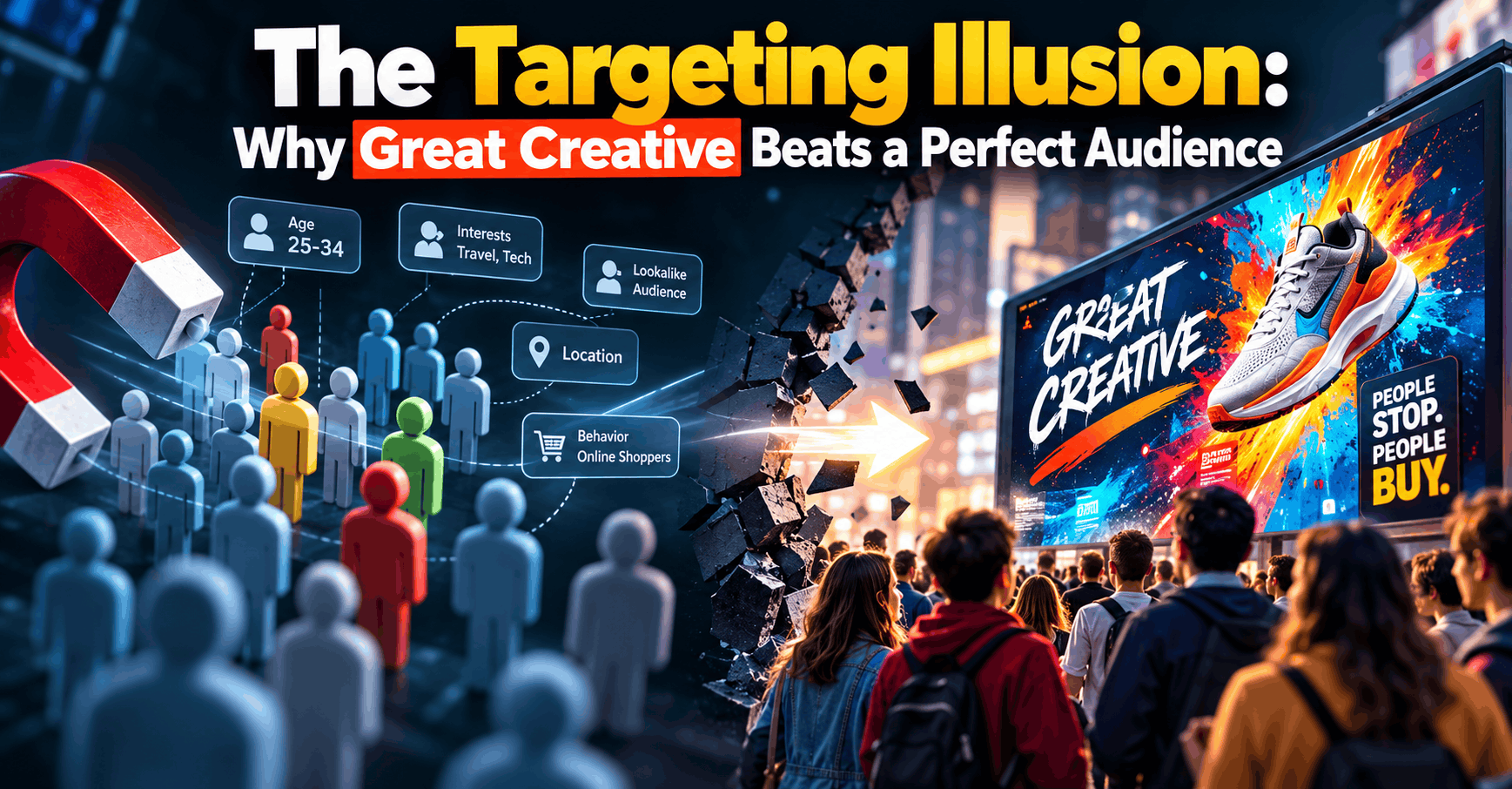
Traditional advertising is a broadcast: you speak to everyone and hope the right people are listening. Digital platforms let you choose who sees your message based on location, age, language, interests, behaviour and even the search phrases they use. A fitness studio can show an offer only to people living within a short distance of its door. A B2B software firm can reach finance managers at mid-sized companies. Less of your budget is spent on people who were never going to buy.
4. It Shows You Exactly What Is Working
The old marketing joke was that half of every advertising budget is wasted, but nobody knows which half. Digital marketing largely solves that problem. Analytics tools show how many people saw an ad, clicked it, browsed your site, filled in a form or completed a purchase. You can compare channels, campaigns and even individual headlines. Decisions shift from gut feeling to evidence, and over time that discipline compounds into much better results.
5. It Captures People Who Are Ready to Buy
Search-based marketing in particular meets people at the moment of intent. Someone typing “emergency dentist open today” is not casually browsing; they want an appointment. Being the visible, helpful answer at that instant converts far better than interrupting a stranger who has no current need. Retargeting adds a second chance, gently reminding visitors who left without buying about what they were considering.
6. It Turns Customers Into a Conversation
Traditional media talks at people. Digital channels let people talk back. Customers ask questions in comments, send direct messages, reply to emails and leave reviews. Each of those interactions is a chance to help, to clarify and to show personality. Brands that respond quickly and sound human build a kind of loyalty that no one-way advertisement can buy.
7. It Builds Brand Awareness Steadily
People rarely buy from a brand the first time they hear about it. Familiarity builds through repetition: a useful blog post this week, a short video next week, a search result next month, an ad that appears while they compare options. Digital marketing makes it affordable to appear consistently across several touchpoints, and consistency is what turns an unknown name into a recognised one.
8. It Works Around the Clock
Your shop closes at nine, but your website, search listings, social profiles and automated emails never do. A potential customer can find you at midnight, read your reviews, browse your catalogue and send an enquiry that is waiting for you in the morning. For service businesses especially, this always-open presence quietly captures demand that would otherwise go to whichever competitor happened to respond first.
9. It Is Easy to Adjust
Once a newspaper advertisement is printed or a television spot is aired, it cannot be changed. Online campaigns can be edited while they run. If a headline is falling flat, swap it. If one audience converts better than another, shift budget towards it. If a competitor launches a promotion, respond the same afternoon. This agility lets you learn from real behaviour quickly rather than waiting for a quarterly review to discover that something did not work.
10. It Drives Sustainable Website Traffic
Paid ads bring visitors the moment you switch them on, which is useful for launches and seasonal pushes. SEO and content marketing work more slowly but keep paying off long after the work is done. A well-written guide that ranks for a popular question can bring in visitors month after month without any additional spend. Combining both approaches gives you fast results now and an asset that keeps growing.
11. It Builds Trust and Credibility
Buyers look for proof before they commit: genuine reviews, clear answers to their questions, case studies, an active and responsive presence. Digital marketing gives you the means to supply all of it. Educational content shows expertise, testimonials show satisfaction, and a professional website shows you are established. Trust built this way shortens the path from first visit to purchase.
12. It Scales With You
Digital marketing grows as your business grows. When a campaign works, you can raise its budget, extend it to new regions, translate it into new languages or build similar campaigns around new products. Automation tools can handle repetitive tasks like follow-up emails and reporting. Unlike a physical expansion, scaling up does not usually require new premises or a large new team to get started.
What It Means for Small Businesses and Startups
The benefits above matter for everyone, but they are especially powerful for smaller players. A small business rarely wins by outspending a large competitor. It wins by being more focused, more relevant and more responsive, which are exactly the qualities digital marketing rewards.
Local visibility. A claimed and well-maintained Google Business Profile, accurate opening hours, good photos and a steady flow of reviews can put a local shop or clinic in front of nearby customers who are actively searching. For cafes, salons, repair shops and clinics, this alone can change footfall.
Low-risk experimentation. A startup rarely knows in advance which message or channel will resonate. Small test budgets allow it to try several, keep what works and drop what does not, instead of betting everything on a single large campaign.
Speed to credibility. A new brand has no history to lean on. Consistent content, active social profiles and early customer reviews create a record of credibility far faster than relying on word of mouth alone.
Direct customer insight. Every comment, search term and click reveals something about what customers want. Small businesses can use that feedback to refine products and pricing, which is a huge advantage over guessing.
Digital vs Traditional Marketing: A Quick Comparison
Traditional marketing is not dead. Billboards, print and radio still build awareness, especially in local or older-demographic markets. But on most practical measures, digital has the edge:
| Factor | Digital Marketing | Traditional Marketing |
| Starting cost | Low; can begin with a small budget | Usually high |
| Targeting | Granular, based on behaviour and intent | Broad, based on the medium’s audience |
| Measurement | Detailed and near real-time | Limited and often indirect |
| Flexibility | Edit or pause campaigns anytime | Fixed once published or aired |
| Interaction | Two-way conversation | Mostly one-way messaging |
| Reach | Local to global | Typically local or regional |
The smartest businesses rarely treat it as an either-or choice. A restaurant might run a local radio spot while also building its Google reviews and Instagram following. The key is to let measurement guide where money goes.
How to Start Capturing These Benefits
Knowing the benefits is one thing; realising them is another. A sensible starting path looks like this.
1. Define one clear goal. Decide what you want first: more enquiries, more online sales, more bookings, more newsletter sign-ups. A single goal keeps your efforts focused and makes success measurable.
2. Know your customer. Write down who you are trying to reach, what problems they have and where they spend time online. Everything else, from channel selection to tone of voice, follows from this.
3. Get your foundations right. Before spending on ads, make sure your website loads quickly, works well on mobile, explains your offering clearly and makes it easy to get in touch. Set up analytics so you can see what happens after people arrive. Claim your business listings and keep them accurate.
4. Pick two channels, not ten. Spreading a small budget across every platform guarantees mediocre results everywhere. Choose the channels where your customers actually are, do them well and expand only when they are working.
5. Create genuinely useful content. Answer the questions your customers keep asking. Useful content earns search visibility, social sharing and trust all at once, and it keeps working long after it is published.
6. Test, measure, improve. Treat every campaign as an experiment. Change one thing at a time, review the results regularly, and move budget toward what performs.
Common Mistakes to Avoid
Digital marketing delivers its benefits only when it is done thoughtfully. A few traps catch many newcomers:
- Chasing vanity metrics. Likes and follower counts feel good but do not pay the bills. Track enquiries, sales and cost per customer.
- Neglecting the website. Sending paid traffic to a slow, confusing page throws money away.
- Expecting overnight results. Paid ads can move quickly, but SEO, content and brand-building take months to mature.
- Ignoring customer replies. Unanswered comments and messages undo the trust you are trying to build.
- Copying competitors blindly. What works for another brand may not suit your audience, so test before you commit.
Final Thoughts
Digital marketing has become the default way customers find, evaluate and choose businesses, which is why its benefits are so hard to match with older methods. It extends your reach, stretches your budget, targets the right people, shows you what is working and adjusts as you learn. Just as important, it levels the playing field: a small business with a clear message and a bit of discipline can stand beside much larger rivals.
You do not need to do everything at once. Start with a clear goal, build solid foundations, pick a couple of channels you can run well and let the data guide your next step. Businesses that begin now, and keep learning, build an advantage that grows month after month.
Frequently Asked Questions
Is digital marketing better than traditional marketing? For most businesses, it offers better targeting, clearer measurement and lower entry costs. Traditional channels can still work well for local awareness, and many brands combine both.
How long does it take to see results? Paid advertising can generate traffic and enquiries within days. SEO and content marketing typically take several months to build momentum, but their results tend to last longer.
How much should a small business spend? There is no universal figure. Many small businesses start with a modest monthly test budget, measure what it returns and increase spending only on channels that prove profitable.
Do I need a big team? No. Many small businesses begin with one person, or a freelancer, handling a couple of channels and using affordable tools for analytics and scheduling.
What is the single most important thing to get right first? Your website and your measurement. If visitors cannot easily understand your offer and contact you, and you cannot see what they do, every other effort works harder than it needs to.