


Here’s a scene that plays out in a lot of B2B companies. The paid campaigns have been live for a quarter. The dashboard looks healthy: clicks are up, cost per click is down, and the contact form gets a steady trickle of submissions. Then the sales team gets asked how the leads are, and the answer is a shrug.
That gap between a good-looking report and an empty pipeline is the most common PPC problem in B2B. And it almost never comes from the channel itself. It comes from running campaigns with a consumer mindset, chasing cheap actions today when your buyers take months to decide, bring in a committee, and fill out a form long before they’re ready for a real conversation.
This guide is for founders and marketing leads who want paid search and social media to produce actual sales opportunities. We’ll look at how B2B PPC works differently, a simple four-part system for tying ad spend to revenue, the tools worth paying for, and the mistakes that quietly drain budgets.
Why B2B PPC Isn’t Just B2C With Bigger Invoices
In B2B, pay-per-click means paying for ad placements on platforms like Google, Microsoft Advertising and LinkedIn, with the goal of starting conversations with companies that could realistically buy from you. The goal isn’t a purchase. It’s a qualified opportunity your sales team can nurture.
That sounds like a small tweak, but it changes how you plan, measure and optimize everything.
An online shop can look at yesterday’s revenue and know whether a campaign worked. A B2B business that judges campaigns by last week’s form fills is looking at the first step of a long walk, not the destination. The real result shows up in your CRM, often a few months later, after calls, demos, internal approvals and a few awkward procurement emails.
Buyers also behave differently now. Most of them research quietly on their own, build a shortlist, and only then reach out. Your ads have to show up in the middle of that research. This is why intent beats reach. Someone searching “compare invoice automation software” is evaluating options right now. Someone who simply matches a job title in a display audience might not be thinking about you at all.
What Paid Search Gives You That Other Channels Can’t
Somewhere in your market, a person is typing the exact problem you solve into a search box this week. SEO can eventually capture that demand, but it takes time. A well-built ad can be in front of them tomorrow.
Speed is only half the value. The other half is learning. Within a few weeks, you can see which phrases real prospects use, which headlines earn clicks, and which parts of your landing page make people hesitate. Those insights tend to spill over into your website copy, your positioning and even how your salespeople open calls.
But the benefits only appear if you measure the right thing. Plenty of companies see a jump in results not from spending more, but from changing what they ask the platform to chase. When a campaign is taught to look for qualified leads instead of any lead, the quality of what comes in changes quickly.
A Four-Part System for Pipeline-Focused PPC
There’s no magic trick here. What works is a sequence, and the order matters.
1. Agree on what a “good lead” means, and write it down
Before a single ad goes live, sit down with sales and define it. Which company sizes count? Which roles? What problem should they have? What instantly rules someone out?
Skip this and you get a predictable standoff: marketing reports record lead volume, sales ignores half of it, and the ad platforms keep learning from contacts nobody wanted. A one-page definition both teams sign off on prevents months of friction.
2. Track leads all the way into the CRM
A tracking pixel on a thank-you page only proves a form was sent. It can’t tell you whether the person was a prospective buyer, a student doing homework, or a competitor poking around.
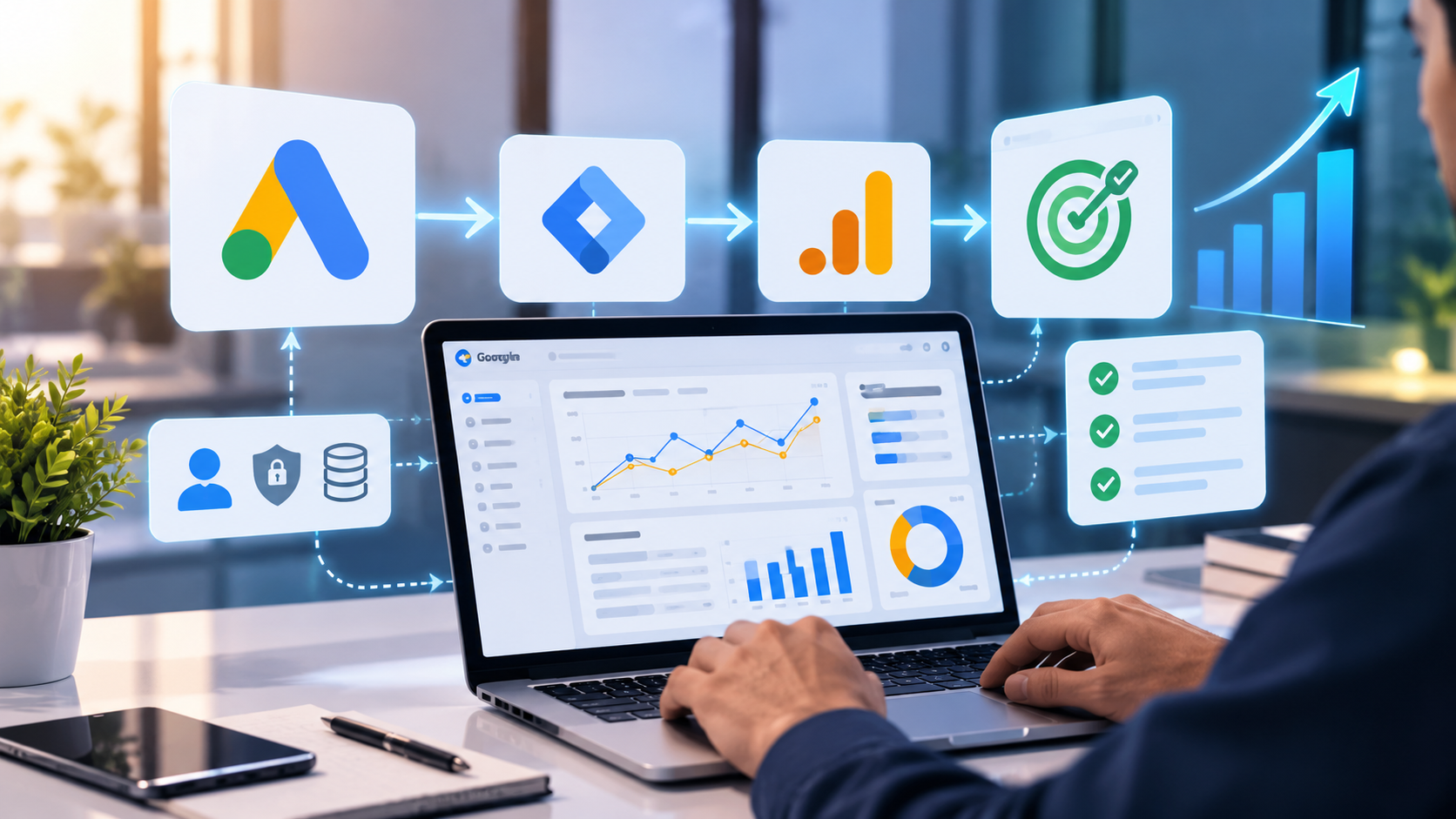
Fix this by passing source information with every lead. UTM parameters, hidden form fields and a proper CRM connection let each contact carry its origin (campaign, keyword, ad) through the entire sales process. Once that’s in place, you can finally ask the question that matters: which campaigns create customers, not just contacts?
3. Build campaigns around the buying journey
Organising campaigns by product category is tempting, but it ignores how people actually buy. A better split is by intent:
- High-intent searches (comparisons, “best provider” queries, solution-specific terms) get dedicated campaigns, tight keyword groups and a direct offer like a demo or consultation.
- Problem-aware searches (people describing a pain but not yet naming a solution) get helpful content, such as a guide, checklist or benchmark, with a softer call to action.
- Remarketing keeps you visible during the long, quiet middle of the decision, when buyers are weighing options and rarely replying to anyone.
LinkedIn can support all three, but it plays a different role from search. It’s better for reaching named accounts and promoting content than for catching people mid-search.
4. Send results back to the ad platforms
This is the step most companies never get to, and it’s where the biggest gains hide.
When a lead turns into an opportunity or a closed deal, import that outcome back into Google Ads as an offline conversion. The platform can then connect the sale to the original click and adjust its bidding toward people who resemble your best customers, rather than people who simply fill in forms cheaply. Over time, this feedback loop quietly improves the quality of everything the algorithm sends you.
The Tools Worth Having (and the Ones You Can Skip)
You don’t need a sprawling martech stack. You need a connected one.
Google Ads is the foundation because search intent is the strongest buying signal available. Microsoft Advertising is a smart second step once Google is working. You can import your search campaigns, often at a lower cost per click, and reach a professional audience.
LinkedIn Campaign Manager lets you target by job function, seniority, industry and company size with a precision other platforms can’t match. Just keep expectations realistic. Clicks are expensive, and the targeting data is self-reported, so treat it as a strong guide rather than a guarantee. It works best for specific account lists and content promotion.
A CRM such as HubSpot, Pipedrive or Salesforce is essential. Which one matters less than using it consistently, because that’s where lead quality becomes visible.
A behaviour tool like Microsoft Clarity or Hotjar helps you see where visitors drop off on landing pages, which is often more revealing than any conversion rate.
One rule ties it all together: data should move between tools automatically. The moment lead sources live in a spreadsheet that someone updates by hand, your attribution becomes guesswork. Privacy rules and consent requirements are also tightening, so a solid, consent-aware tracking setup now decides how much of your funnel you’ll be able to see later.
Five Mistakes That Quietly Waste B2B Ad Budgets
1. Optimising for form fills. Platforms are very good at finding cheap conversions, including ones that never turn into revenue. The fix: define quality with sales and feed real outcomes back to the platform.
2. Targeting job titles instead of intent. Aiming at “operations managers” reaches plenty of people who aren’t shopping for anything. The fix: let search intent lead, and use audience layers to refine who sees your best campaigns, not to replace intent.
3. Never opening the search terms report. B2B keywords attract job seekers, students and people hunting for freebies. Without negative keywords like “salary,” “course,” “free” and “template,” a surprising slice of the budget disappears. The fix: review search terms weekly, especially in the first few months.
4. Expecting results on a webshop timeline. If your average deal takes four months to close, you won’t see full ROI in week three. Pausing a good campaign too early is a very expensive mistake. The fix: judge early performance on leading indicators such as qualified lead rate, search term relevance and landing page engagement, then judge revenue over full quarters.
5. Sending everyone to the homepage. A generic page breaks the promise your ad made. The fix: create a dedicated landing page for each campaign theme that matches the search query and offers one clear next step.
Putting It Into Practice
If all this feels like a lot, start small. This week, write your lead definition with sales. Next, check whether your CRM actually knows where each lead came from. Then clean up your search terms and add negatives. Only after that should you think about scaling spend or testing new channels.
Companies that follow this order tend to notice the same thing: the number of leads may not jump dramatically, but the share that sales actually wants to talk to does. That’s the shift from collecting clicks to building pipelines.
Frequently Asked Questions
It’s paid advertising on platforms like Google, Microsoft and LinkedIn that aims to start qualified sales conversations with business buyers. Unlike B2C campaigns, it prioritises lead quality and pipeline over fast, high-volume purchases.
Start with Google Ads, since search reaches people already looking for a solution. Add LinkedIn when you want to target specific roles or accounts. Many mature B2B programmes use both, each for a different job.
First leads usually arrive within weeks, but real pipeline impact follows your sales cycle, often three months or more. Early on, focus on lead quality signals rather than closed revenue.
Connect campaigns to your CRM so every lead keeps its source, then import opportunities and closed deals back into your ad platforms. That lets you evaluate campaigns by revenue contribution instead of cost per form fill.
There’s no universal number. B2B clicks can be pricey, so you need enough budget to collect meaningful data. Work backwards from your average deal value and what a qualified lead is worth to your business.
Yes, once your conversion tracking is reliable and ideally includes offline conversion data. Smart Bidding optimises for whatever you tell it to count as a win, so the definition and data quality come first.
Final Thoughts
B2B PPC doesn’t fail because the platforms don’t work. It fails when we ask them to chase the wrong goal. Define what a good lead looks like, track it all the way through your CRM, structure campaigns around how buyers really decide, and teach the algorithms from real sales outcomes. Do that, and your ad spend stops being a line item that’s hard to defend and starts looking like a dependable source of pipeline.