




A few years ago, all you needed for SEO was a keyword tool, a rank tracker, a site crawler, and a trusty spreadsheet. That’s just not enough anymore. By 2026, search looks pretty different—AI Overviews pop up in SERPs, people ask ChatGPT, Gemini, or Perplexity for what to buy, and clients want to know if AI mentions their brands, not just where their web pages land.
Because of all this, AI SEO tools have gone from “nice to have” to a mainstay. But the market’s wild—new platforms appear every month, prices are all over the place, and half the “AI” features out there are just chatbots tacked onto old data.
Let’s get clear about why these tools matter, what kinds of AI SEO tools are out there, and—most importantly—how to pick the right one that’ll actually help you in 2026.
Why AI SEO Tools Matter Now
1. Two Scoreboards
Marketers are tracking two things: classic keyword rankings and whether their brands get mentioned in AI answers. There’s no Search Console for AI, so you either need a dedicated tool or a lot of time for manual checks. It’s tough—manual prompt testing works for a few queries, but imagine scaling that across platforms and competitors. You’ll go mad.
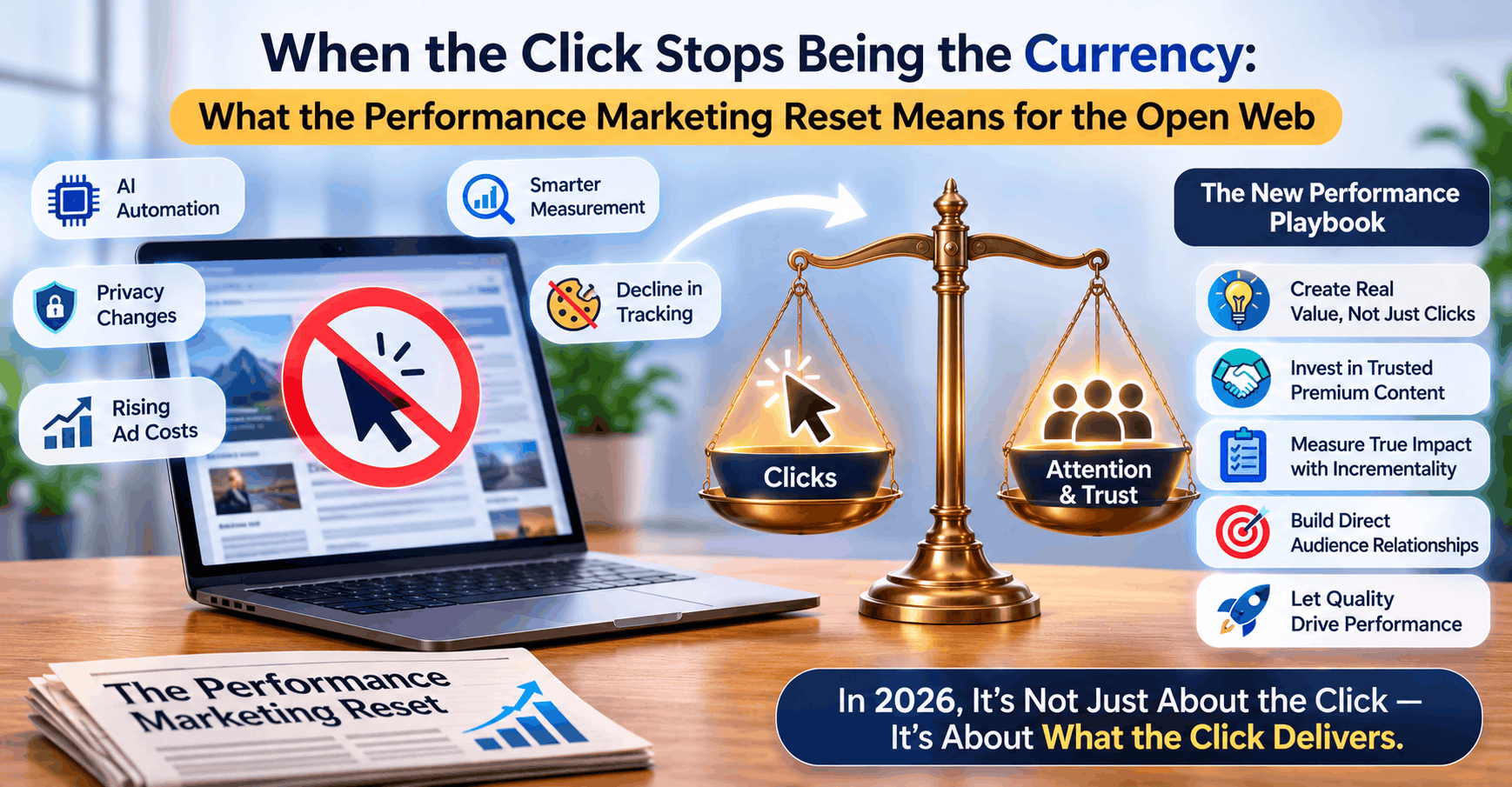
2. Clicks Aren’t Everything
AI summaries mean fewer people click, and zero-click searches are everywhere. You need more than just rankings or click data—you need to know impressions, citations, and whether AI Overviews even mention you.
3. The Workload Keeps Growing
SEO these days is a beast—technical audits, content briefs, schema markup, internal links, localization, reporting, and now AI visibility. Teams haven’t grown much, but expectations have. AI-powered tools help chew through repetitive stuff like sorting keywords, summarizing crawls, or drafting reports.
4. Speed is Crucial
Search algorithms and AI outputs change fast. Tools that alert you to drops or new competitors let you spot problems or opportunities days, not months, before everyone else.
5. Scale Needs Automation
Agencies and big sites run thousands of pages, languages, and clients. Manual checks just won’t cut it. The right tools automate monitoring and content creation but keep humans in control.
6. Content Needs to Appeal to Machines Too
If your content isn’t structured for AI—clear entities, strong topical coverage, good data markup—you’ll get ignored or misrepresented. The best tools help you optimize for both human readers and AI crawlers.
7. Clients Want New Reports
Everyone wants to see where they’re mentioned, their share of voice, sentiment, and more. Tools that make these dashboards save you hours and make it way easier to communicate results.
8. Competition
By now, most serious teams use an AI visibility tracker alongside their content and SEO platforms. If you fall behind, you’ll miss key insights—and your competition will leave you in the dust.
The Main Categories of AI SEO Tools
Here’s a quick breakdown:
All-in-one SEO Platforms
They still cover keyword research, tracking, backlinks, site audits, but now often add AI visibility—like Semrush, Ahrefs, SE Ranking.
AI Visibility & GEO Tracking Tools
These catch brand mentions, citations, share of voice, sentiment across ChatGPT, Gemini, Perplexity, AI Overviews, and more—Profound, Peec AI, Scrunch AI, Otterly.
Content Optimization Tools
They analyze top-ranking and AI-cited pages, suggest improvements, topics, entities—think Surfer SEO, Clearscope, MarketMuse, Frase.
Technical SEO & Crawling Tools
You need these for site crawling, speed checks, error spotting, markup—Screaming Frog, Sitebulb, plus modules in big suites.
Generative AI Assistants
These draft briefs, schema, summaries, and prompt lists—ChatGPT, Gemini, Claude.
Automation & Agent Tools
Recurring tasks like monitoring and reporting, all handled by platform-specific agent workflows.
Local SEO Tools
Manage local rankings, reviews, listings—dedicated platforms for this.
Reporting & Analytics Tools
Pull data together from Search Console, GA4, and AI tools—Looker Studio and similar.
Don’t get hung up on product names—this is just to sketch the landscape. Features and rankings are always changing.
How to Pick the Right AI SEO Tool for 2026
Step 1: Figure Out Your Real Bottleneck
Don’t start with brand names. Pin down your main pain:
- Is it AI visibility and tracking?
- Content creation or optimization?
- Technical audits, site health?
- Reporting for multiple clients?
- Local or regional markets?
- Better dashboards for leadership?
The best tool solves your biggest headache, not just the one that looks shiny.
Step 2: Make a Must-Have List
Some usual priorities:
- Coverage of all key AI platforms (ChatGPT, Gemini, Perplexity, Google AI Overviews, Claude, Copilot)
- Prompt tracking—how many, how often, custom prompts
- Citation analysis—know where competitors are being cited and why
- Share of voice and competitor benchmarking
- Sentiment analysis
- Strong location/language support (especially if you’re in India or multi-language markets)
- Integrations with Search Console, GA4, CRM, reporting tools
- Export/API options for custom dashboards
- Team features like user roles, projects, white-label reporting
Step 3: Check How the Tool Actually Works
This is where tools vary most. Ask these questions:
- How’s the data collected—real sessions, APIs, simulated queries?
- How often and how many prompts are run? AI answers change.
- Can it handle location/city simulation, especially for India?
- How are mentions, citations, and sentiment scored?
- Is AI “grounded” in real behavior/SERP data, or just a generic model?
- Can you access raw answers to double-check?
Opaque tool methods? Don’t trust the dashboard.
Step 4: Demand Actionable Results
Dashboards are nice, but you want to know what to do next. Look for:
- Clear citation and content recommendations
- Alerts for drops, errors, new competitor mentions
- Concrete links between findings and tasks
Step 5: Make Sure It Fits Your Current Setup
If your SEO platform already covers AI visibility, don’t buy another tool just for overlap. Integrated tools make your life easier, but sometimes the stand-alone ones give deeper insight.
Step 6: Nail Down the Price
Pricing is a mess. Double-check:
- Which AI platforms and prompts you get at each tier
- Is AI visibility included or extra?
- User/project/domain/prompt limits
- US dollars vs local pricing
- Contract terms, free trials, cancellation policy
- Hidden fees (extra seats, API use, more regions)
Blog price roundups? Treat them as rough guides—always check with the vendor.
Step 7: Check Security, Privacy, Compliance
If you connect Search Console or CRM data, know where it goes, how it’s used, whether data trains models, and whether certifications are in place—especially if you’re handling client info.
Step 8: Usability and Support Matter
You want quick onboarding, clear dashboards, helpful learning material, responsive support. Agencies especially need easy report creation.
Step 9: Run a Real Trial
Don’t pick based on features alone. In a trial:
- Feed in 20-30 live customer prompts and top competitors.
- Cross-check results against manual looks in ChatGPT and Perplexity.
- Ensure location, language, and coverage match your needs.
- Ask it to make a real report you’d share with clients or leadership.
- Time how long each task takes vs your current process.
Step 10: Decide What Success Looks Like
Before you buy, set criteria: hours saved, insights gained, citations earned, revenue influenced, whatever matters most. Review after two or three months and ditch anything that doesn’t deliver.
Quick Scorecard
For every tool you test, score these:
- Fit for your bottleneck (high weight)
- AI platform coverage (high)
- Data accuracy/transparency (high)
- Location/language support (high for Indian teams)
- Actionable insights (high)
- Integrations (medium)
- Reporting/exports (medium)
- Usability/support (medium)
- Security/privacy (medium-high)
- Total cost (medium-high)
Multiply by priority and compare. That famous tool everyone talks about might not be right for you.
Sample Stacks
- Solo marketer: Google Search Console, GA4, an AI assistant, a crawler, a spreadsheet tracker, one budget content or visibility tool.
- Small biz/startup: One all-in-one platform with AI features, manual prompt checks, local SEO tool (if needed).
- Growing team: All-in-one plus dedicated AI visibility tracker, content optimizer, reporting dashboard.
- Agency: Multi-client platform with white-label reporting, a visibility tool with language/location options, crawling and content tools, project management.
- Enterprise: Enterprise suite, specialist visibility tool, governance/security, custom reporting with APIs.
Red Flags When You Shop
- “Guaranteed” rankings or citations. Impossible.
- Metrics you can’t verify with raw answers.
- Vague AI-powered claims—no real data source explained.
- Fluffed case studies—precise stats, but no methodology.
- Auto-publishing at scale with zero review (a recipe for spam).
- No India or regional-language support when you need it.
- Contracts with no trial, aggressive lock-in.
- Affiliate rankings masquerading as independent reviews.
Common Mistakes
- Buying too many overlapping tools—leads to wasted budget, data silos.
- Chasing features instead of actual outcomes.
- Treating tool output as fact—AI data is directional, always check yourself.
- Ignoring actual adoption—training and workflows matter as much as software.
- Forgetting the human layer—tools help, but strategy and quality still need people.
- Not reviewing your stack regularly—things change fast.
A Note on Evidence
Most reviews and comparisons come from vendors, agencies or sites hungry for affiliate commissions. Rankings and pricing always conflict. What matters most: categories and criteria, not which specific tool is “best.” Always test tools with your own data before making a call.
Bottom Line
AI SEO tools have become core because search itself has changed. You now need to track your presence in AI answers as well as classic rankings. The right tool saves time, shows where your brand stands, and helps you focus on what matters.
But don’t just chase the big name or the longest feature list. Find the tool that fits your real needs, gives you trustworthy data, fits your workflow and budget, and proves itself in a real trial. Always start with your biggest problem, test with your own prompts, and keep human judgment at the heart of your strategy.